Building the Perfect 2-Shoe Rotation
You don’t need a closet full of shoes to run well. A simple two-shoe rotation can cover almost everything.
If you're looking to upgrade your running setup, the easiest and most effective place to start is a two-shoe rotation. You don't need five different pairs to train well — two purposeful shoes with clearly defined roles is the simplest, most cost-effective system that delivers real benefits for most runners.
Shoe One: The Daily Trainer
Your daily trainer is the foundation of your rotation. It handles the bulk of your weekly mileage — easy runs, long runs, recovery efforts, and anything in between. The qualities to prioritize here are comfort, durability, and versatility. You want a shoe that feels dependable from mile one of a 4-miler to mile 18 of a long run, without asking anything of you in return.
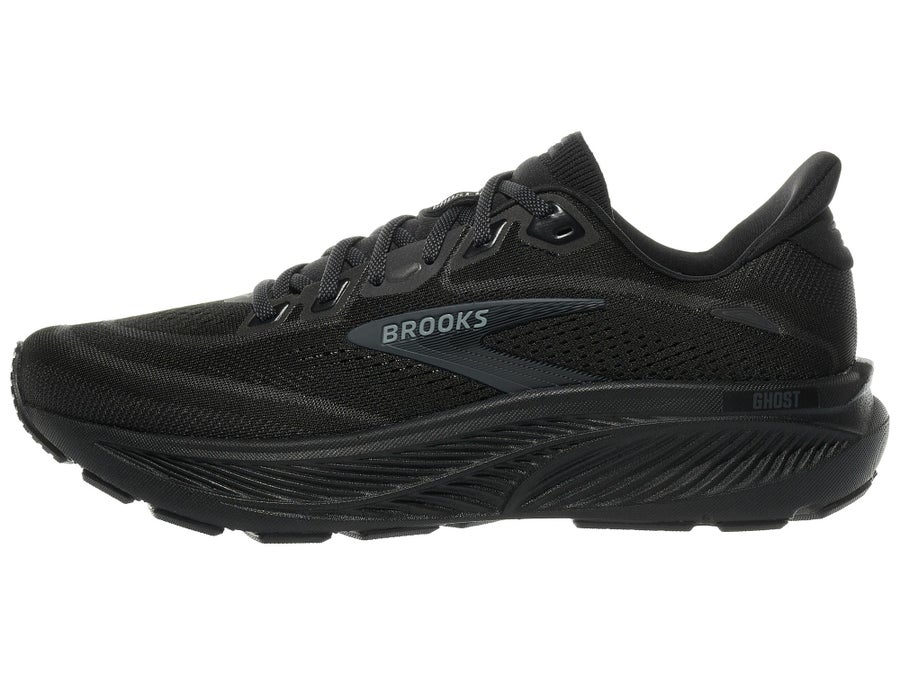
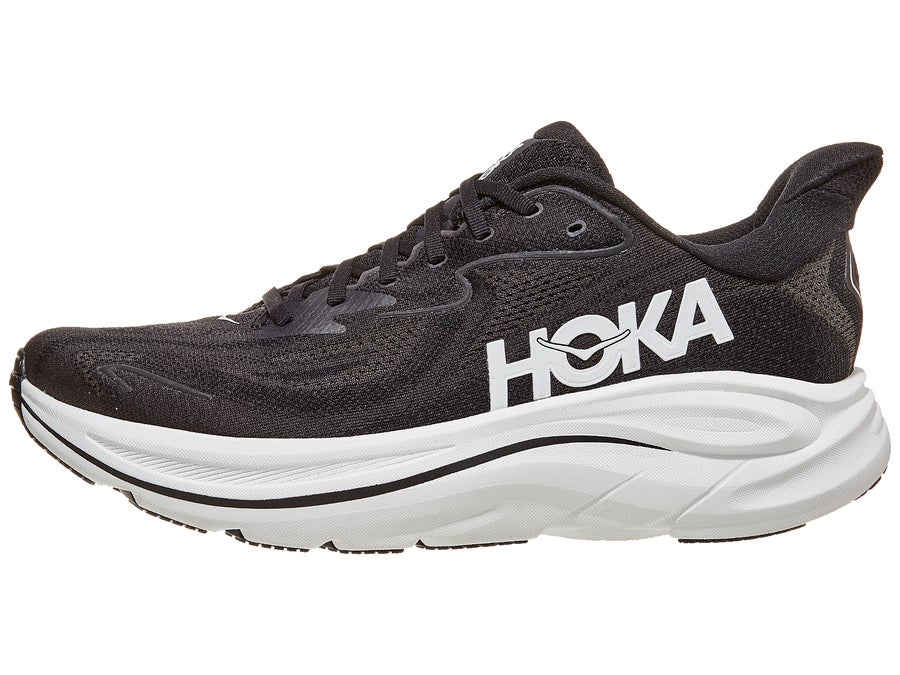
Great daily trainers include the HOKA Clifton 10, Saucony Ride 19, Brooks Ghost 18, and ASICS Gel Nimbus 28. These are shoes built to go the distance, absorb impact run after run, and hold up across high weekly mileage without breaking down prematurely. Your daily trainer will accumulate the most miles in your rotation, so durability and comfort matter more here than outright performance.
Shoe Two: The Performance Trainer
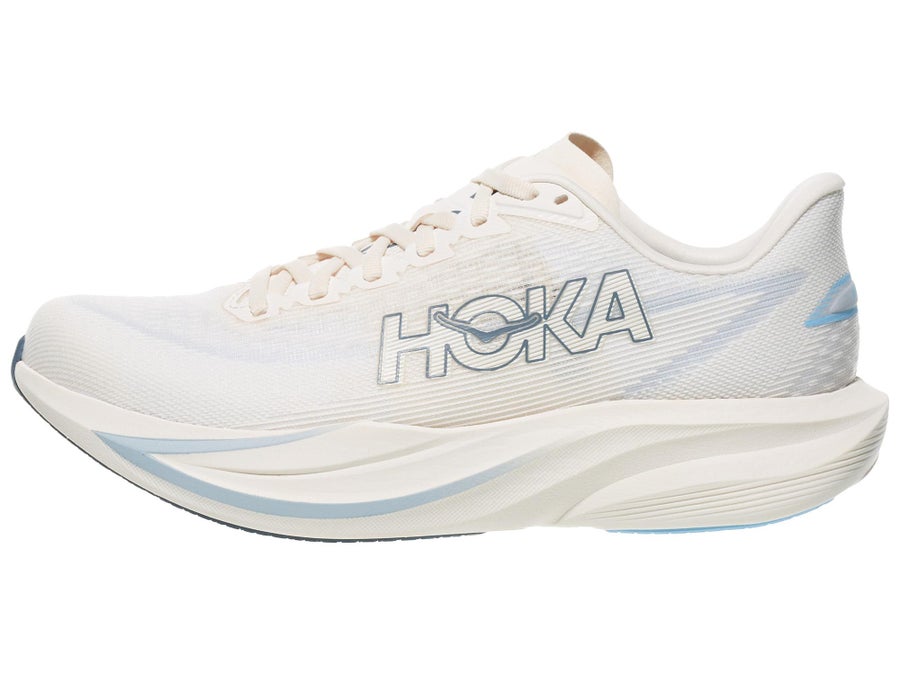
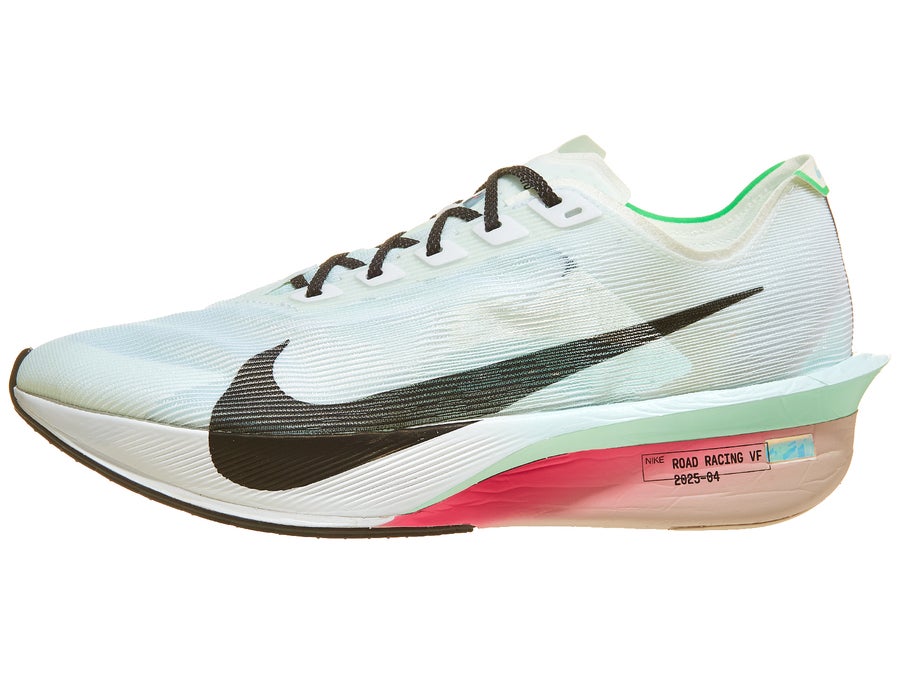
Your second shoe is where you add speed and energy to your rotation. This could be a lightweight performance trainer, a tempo shoe, or a full carbon plate super shoe depending on your goals and budget. Its job is to make faster efforts feel faster — providing the responsiveness and energy return that most daily trainers deliberately trade away in favor of durability and protection.
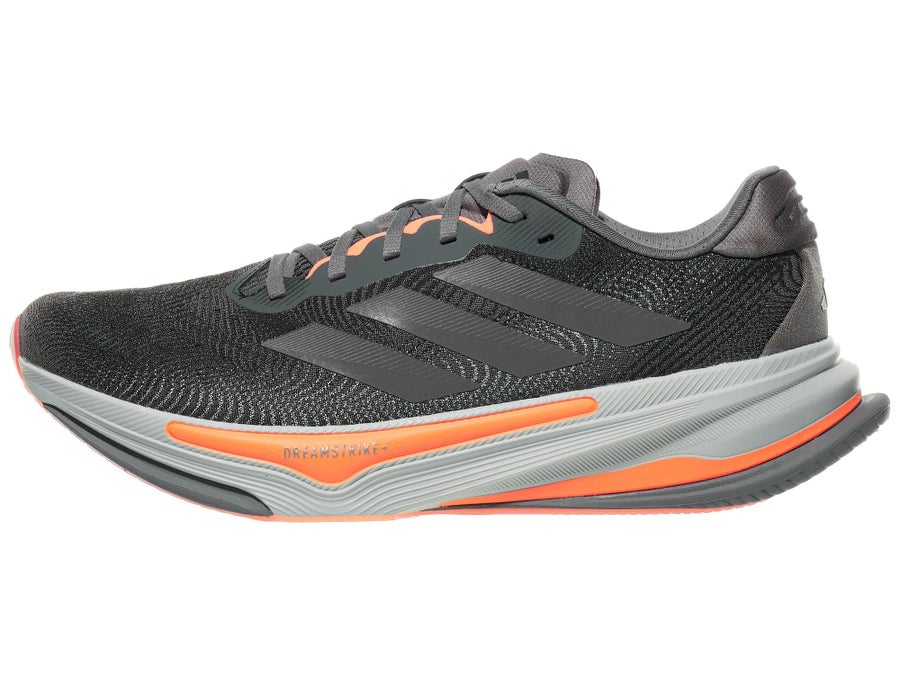
For most runners, a performance trainer like the HOKA Mach 7, Adidas Adizero Evo SL, or Saucony Endorphin Speed 5 is the ideal second shoe. These are light, lively, and versatile enough to handle tempo runs, workouts, and even racing — without the cost and short lifespan of a full carbon super shoe. If you do race regularly, a carbon plate shoe makes sense as a third addition, but it's not necessary to get the core benefit of a two-shoe rotation.
Why Two Shoes Works Better Than One
A well-structured two-shoe rotation delivers three distinct benefits over training in a single pair:
- Reduced injury risk. Research shows runners using multiple pairs have up to 39% lower injury risk than single-shoe runners. The slight variations in cushioning, drop, and geometry between your two shoes distribute load across different muscles and tendons, reducing the repetitive strain that causes overuse injuries.
- Extended shoe lifespan. Running shoe foam needs 24–48 hours to fully decompress after a run. Rotating between two pairs ensures each shoe is fully recovered before your next run in it, which can extend the life of both pairs by 20–30%.
- Better training stimulus. Using a performance trainer for workouts and your daily trainer for easy runs means each run feels appropriate for its purpose. Easy days feel protected and low-effort. Fast days feel sharp and energized. You stop asking one shoe to do everything.
Building Your Two-Shoe Rotation
Here's a simple weekly example of how a two-shoe rotation looks in practice:
Day | Run Type | Shoe |
|---|---|---|
Monday | Easy recovery run | Daily trainer |
Wednesday | Tempo / workout | Performance trainer |
Thursday | Easy run | Daily trainer |
Saturday | Long run | Daily trainer |
Sunday | Strides / short quality | Performance trainer |
The Bottom Line
Two well-chosen shoes beat five mediocre ones every time. A dependable daily trainer paired with a responsive performance trainer covers every training scenario most runners will ever face — and delivers real injury prevention and performance benefits in a simple, affordable system.
Ready to build your rotation? Use our shoe comparison tool to find two shoes that complement each other perfectly.